01: Demystifying LoRAs
Added 2024-06-15 09:18:29 +0000 UTCHave you ever been captivated by an AI art creation with mind-blowingly detailed characters or a specific artistic style that seems to defy the limitations of text prompts? The secret weapon behind such masterpieces might be a little something called a LoRA (short for Low-Rank Adaptation).
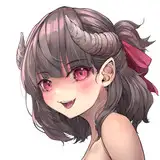
In the ever-evolving world of AI art generation, LoRAs play a crucial role. Imagine a powerful AI model trained on a massive dataset of images and text. The AI is like your highly skilled artist who can paint a wide variety of subjects realistically, from portraits to landscapes. However, when it comes to a specific concept, say, a mythical creature(a unicorn?) or a unique artistic style, the artist might need some additional guidance (maybe your artist has never heard of a unicorn before hehe).
What are LoRAs?
LoRAs are smaller models that act like specialized training sessions for your base AI model. They focus on a specific concept, style, or detail, providing the base model with focused knowledge.
Think of it this way:
The Base Model: Your versatile artist, skilled in various styles.
The LoRA: An additional training session for the artist, focusing on a specific subject like "unicorns." This session equips the artist with the knowledge of what a unicorn typically looks like.
The Result: When you ask the artist to paint a unicorn using the knowledge from the LoRA session, they can leverage their existing painting skills and the newfound understanding of unicorns to create a stunning and realistic depiction.
Simply put, you can think using LoRAs as giving a tutorial to your AI about a thing or concept that they didn't previously know about.
Benefits of Using LoRAs:
Effortless Detail: Get highly detailed outputs without needing to write overly complex prompts. For example, a LoRA trained on different unicorn horn shapes can nudge the base model towards generating a specific type of horn you describe in your prompt.
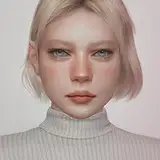
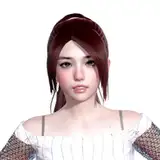
Style Consistency: Want all your AI art characters to have a specific look or ethnicity? A LoRA trained on a diverse dataset can subtly influence the base model to generate portraits that adhere to that style. For example, I use a LoRa to create images of Nina Rain, and to make sure I can consistently achieve a similar face to Nina Rain with every generation.
Creative Exploration: LoRAs can introduce artistic flourishes or push the model towards more unique outputs, depending on how you design them. Imagine a LoRA trained on dreamlike landscapes, allowing you to generate fantastical AI art pieces.
Important Considerations:
LoRAs are not magic bullets: The effectiveness of a LoRA depends on the quality of the data it's trained on. A poorly trained LoRA might introduce unwanted artifacts or distort the final output.
Limited Availability: Finding high-quality LoRAs can be challenging, especially for specific styles or concepts.
Technical Knowledge: Using LoRAs often requires some technical understanding of AI art generation tools and how to integrate them with your workflow.
Where to Find LoRAs:
Online Communities: Many AI art communities have active forums or discussions where users share and discuss LoRAs.
Independent Creators: Some AI artists offer pre-trained LoRAs for purchase. Explore online marketplaces or communities to find creators who specialize in LoRAs.
The Future of LoRAs:
LoRAs are a powerful tool with immense potential in the AI art world. As the technology evolves, we can expect:
Easier Creation & Sharing: Tools that simplify LoRA creation and sharing might become more commonplace.
Wider Availability: Accessibility to a broader range of pre-trained LoRAs will open doors for more artists to experiment and elevate their creations.
Advanced Techniques: New LoRA training methods might unlock even more creative possibilities, allowing for even more specific and nuanced control over AI art generation.
In Conclusion:
LoRAs are a valuable tool for AI artists who want to push the boundaries of creativity and achieve a new level of detail in their work. While they might require some technical knowledge to get started, the potential rewards are vast. So, if you're looking to add some magic and precision to your AI art, consider exploring the world of LoRAs!
Thank you for checking out my content, what initially got me interested in AI art is the seemingly endless possibilities I thought AI art would let me bring to life, but as it turns out, when I dived in I learnt that there's a lot to be learned in this field! If you gained some value from this article, please consider supporting me by either sharing, liking or engaging with my social media content or supporting me on Patreon as a paid member. <3 Have a nice day x