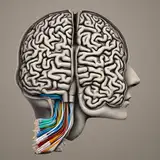
Whereas Deepseek has hit the mainstream, one thing that people seem to overlook—or consciously choose not to concern themselves with—is its direct relationship with and influence by the Chinese Communist Party (CCP). This raises profound questions about the interplay between technological innovation, freedom of expression, and the ideological frameworks that shape these tools.
Historically, the CCP has had no qualms about leveraging censorship as a means of control. In fact, censorship is central to its governance model. Whether it's suppressing dissent, controlling media narratives, or tightly regulating access to information, the CCP's approach to information stands in stark contrast to the foundational ideals of Western democracies, which champion free speech, open inquiry, and the marketplace of ideas. The tension here is clear: while Western societies value freedom and the unfiltered exchange of ideas, tools like Deepseek may carry with them embedded values or governance structures that run counter to those principles.
The allure of convenience, however, often overrides these weighty concerns. People love "free," and they love the next best thing even more. Deepseek offers cutting-edge capabilities, whether in search algorithms, AI-driven data analysis, or media consumption, and its sleek, user-friendly design ensures that it fits seamlessly into everyday life. But with this ease of use comes an insidious trade-off. While many users may suspect that a tool like Deepseek operates under the shadow of CCP influence, they either discount the implications out of ignorance, wave them off due to apathy, or convince themselves that it’s simply not their problem.
This kind of passive complicity is not uncommon. For many, as long as the tool works well—streamlining tasks, enhancing productivity, or offering entertainment—the origin and control of the technology fade into the background. However, the stakes are too high to ignore. When systems designed in alignment with authoritarian ideals permeate global society, they don't just provide services; they subtly normalize a worldview. Censorship, surveillance, and the prioritization of state over individual rights become less abstract concerns and more immediate realities.
The Western ideal of a free society isn't just about the absence of censorship; it's about fostering an environment where ideas—no matter how controversial—can be debated and contested. By contrast, tools shaped under CCP influence may implicitly or explicitly carry the ethos of control, restriction, and the suppression of dissent. The question is: can a society that values freedom continue to thrive when its technological infrastructure is increasingly tied to systems and philosophies that oppose those values?
Deepseek exemplifies the seductive duality of modern technology. On the surface, it offers innovation, progress, and convenience. Beneath that surface, however, lie ethical and ideological quandaries that too many are willing to overlook. Whether out of ignorance, apathy, or a genuine lack of concern, dismissing these issues creates fertile ground for the erosion of freedoms that Western societies hold dear. The real challenge is recognizing the stakes and choosing whether to engage with them or continue looking the other way.
BakaOppai
2025-01-28 23:19:24 +0000 UTCGary
2025-01-28 20:00:10 +0000 UTCBakaOppai
2025-01-28 19:44:04 +0000 UTC