Initial Impressions of the Model: Strengths and Weaknesses
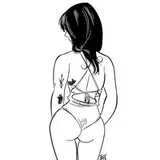
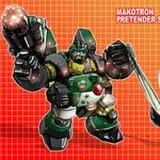
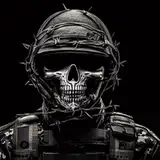
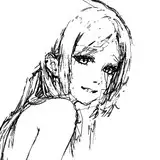
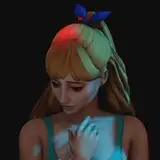
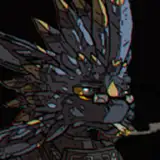
After conducting a quick test of the model, I’ve found it to be quite challenging to use. While it excels in certain areas, it struggles significantly in others, particularly in terms of stability with character anatomy. Here’s a breakdown of its pros and cons:
Prompt Adherence: The model follows prompts exceptionally well—perhaps too well. This can result in highly chaotic or overly expressive scenes if the prompts aren’t carefully crafted.
Cinematic Quality: Achieving scenes with good depth of field and a cinematic feel is easier. The results tend to look less flat compared to other models.
Lighting & Color: It handles darker scenes and blue backgrounds much better, with fewer color scheme issues.
Dynamic Angles & Proportions: The model can handle extreme proportions (e.g., exaggerated features like large breasts, waists, or thighs) and more dynamic angles, though these can sometimes lead to chaotic compositions.
Facial Expressions: Expressions tend to be more vividly captured.
Facial Details: Lower resolution on faces, with less detail in the eyes.
Anatomical Stability: Higher chances of broken anatomy, distorted proportions, or low-quality hands and fingers.
Background Quality: Backgrounds are often weak or inconsistent, depending on the prompt.
Increased Workload: To fix some of these issues (e.g., low-res faces), upscaling is necessary, significantly increasing the time required for post-processing.
At its current stage, this model feels incomplete and impractical for regular use. While it shows promise in capturing cinematic scenes and dynamic proportions, its instability—particularly with anatomy—makes it unsuitable for my workflow right now. Adopting this model would require significant time to fine-tune prompts and rebuild the styles I’ve carefully refined over weeks.
For the time being, I’ll stick with my current model, as it offers greater stability and efficiency. I may revisit this model or a derivative version once it’s more polished and user-friendly.
=====
[Translated by ChatGPT]
モデルの初期評価:長所と短所
モデルを簡単にテストしてみた結果、使用するのが非常に難しいと感じました。このモデルは特定の分野では優れていますが、キャラクターの解剖学的安定性に関して大きな問題を抱えています。以下に、長所と短所をまとめました:
プロンプトへの忠実さ: モデルはプロンプトに非常に忠実に従います。時には忠実すぎて、プロンプトが適切でない場合、シーンが非常に混乱したり過度に表現的になったりすることがあります。
シネマティックなクオリティ: 奥行きのあるシーンや映画のような雰囲気を出すのが簡単です。他のモデルと比較して平坦な印象が少ないです。
光と色合い: 暗いシーンや青い背景の処理が得意で、色合いの問題が少ないです。
ダイナミックなアングルとプロポーション: 極端なプロポーション(例:大きな胸や腰、太もも)やダイナミックなアングルの処理が可能ですが、これによりシーンが混乱することもあります。
表情の表現: 表情がより鮮明に捉えられる傾向があります。
顔のディテール: 解像度が低く、目のディテールが弱いです。
解剖学的安定性: 解剖学的なバランスが崩れる可能性が高く、プロポーションの歪みや手・指の品質が低いことがあります。
背景の品質: プロンプト次第では背景が弱い場合があります。
作業負荷の増加: 解像度の低い顔などの問題を修正するにはアップスケーリングが必要で、それにより処理時間が大幅に増加します。
現時点では、このモデルは完成度が低く、日常的に使用するには実用的ではありません。このモデルはシネマティックなシーンや動的なプロポーションの表現で期待が持てますが、特に解剖学的安定性の欠如が私のワークフローに適さない要因となっています。このモデルを採用するには、プロンプトを細かく調整し、数週間かけて構築したスタイルを再構築する必要があります。
現状では、安定性と効率性が高い現在使用中のモデルを引き続き使用します。このモデルやその派生バージョンがより完成度が高く、使いやすくなった際には、再検討するつもりです。